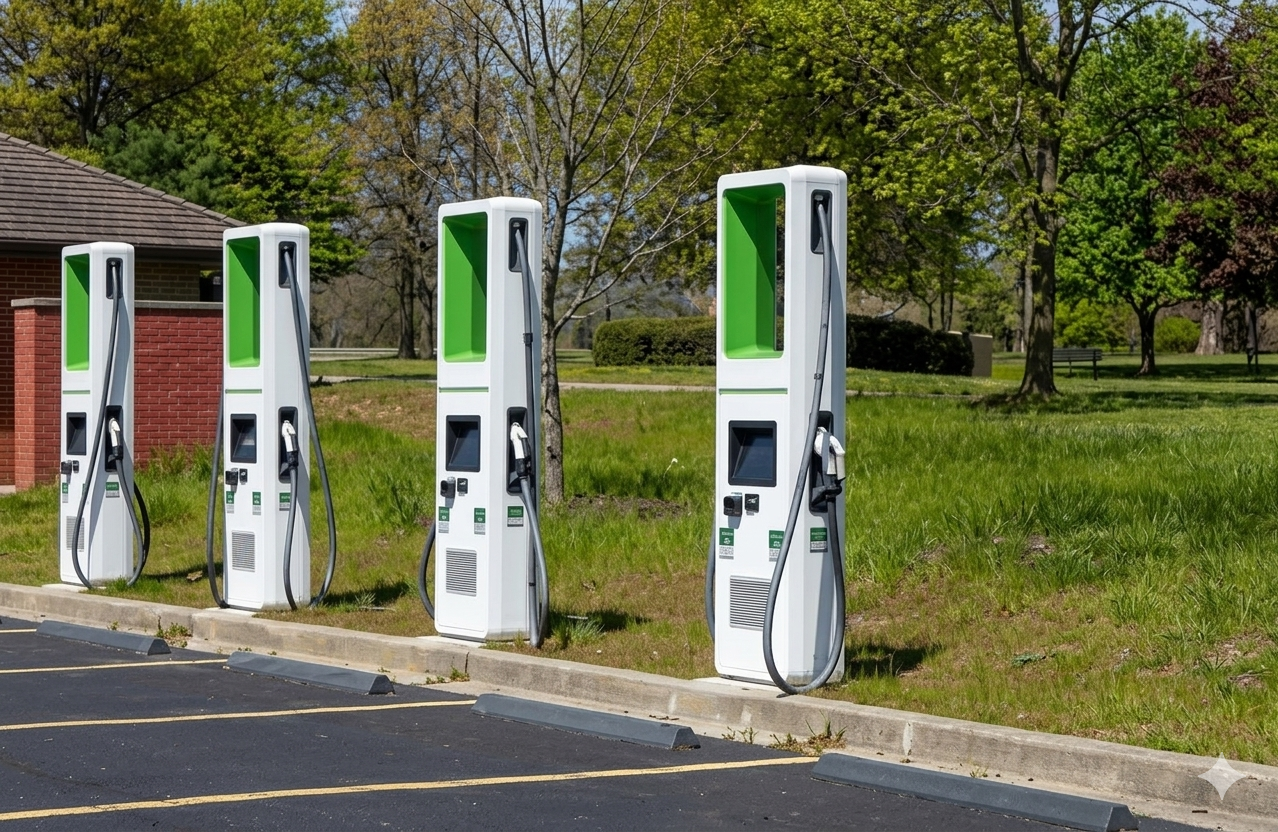
Public Infrastructure
Government Place Charging
Charging stations located within or near government buildings play a pivotal role in promoting EV adoption across India. Supported by local administrations and awareness campaigns, these stations make clean mobility accessible to all.
- Stations installed within or near government offices and public premises
- Awareness campaigns by local administrations and CSOs help users locate stations
- Supports government's push for clean energy and sustainable transport
- Accessible to citizens, staff, and visitors with easy payment systems
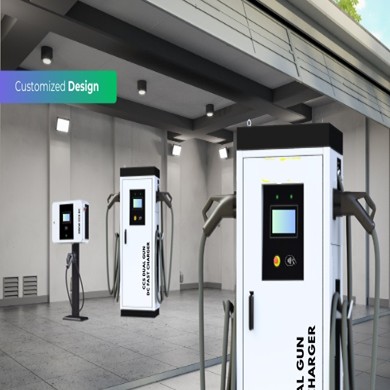
Original Equipment Manufacturers
OEM Partnerships
The EV industry is experiencing rapid growth, and Original Equipment Manufacturers (OEMs) are increasingly collaborating to develop and expand EV charging infrastructure. These partnerships address key challenges and unlock opportunities in the EV charging space.
- Faster Innovation — Joint R&D accelerates product development cycles
- Cost Saving — Shared infrastructure reduces CAPEX for all stakeholders
- Expanding Customer Reach — Wider network coverage builds consumer confidence
- Standardization — Interoperable chargers across OEM platforms
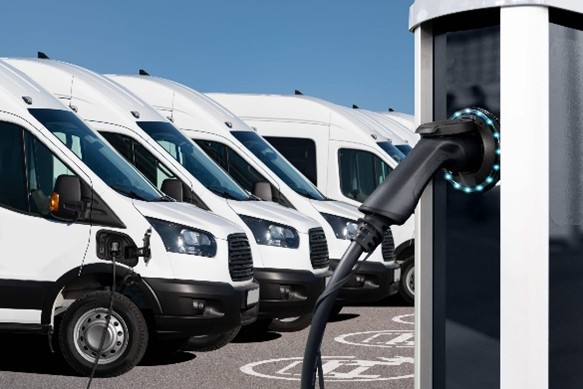
Fleet Operators
Fleet Charging Solutions
Transitioning to EVs for a fleet requires a robust, well-planned charging infrastructure. Fleet charging differs significantly from individual EV charging due to scale and operational complexity involved.
Types of EV Chargers for Fleet Owners
- Level 2 Chargers (AC): Ideal for fleets with predictable schedules and ample overnight charging time (4–10 hrs). Cost-effective for light to medium-duty vehicles at depot charging sites.
- DC Fast Chargers (Level 3): Essential for heavy-duty vehicles, longer routes, and quick turnaround scenarios where downtime needs to be minimized.
- Smart Load Management: AI-based systems balance grid load and optimize charging across multiple vehicles simultaneously.
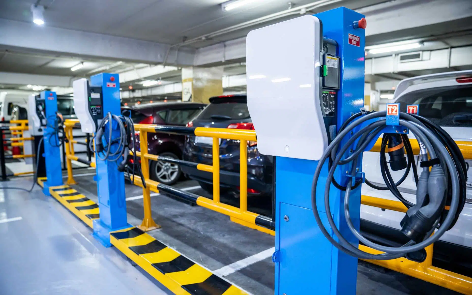
Businesses & Commercial Spaces
Commercial Place Charging
The increasing popularity of EVs in India is driving demand for charging infrastructure beyond homes. Shopping centers, hotels, office buildings, and public parking lots are key players in establishing a robust EV charging network.
- Attract & Retain Customers and Employees — Added value service drives footfall
- Generate Revenue — Charging fees create a passive income stream
- CSR & Sustainability — Demonstrates commitment to green practices
- Government Incentives — Leverage available subsidies and tax benefits
- Increased Foot Traffic — EV users spend more time and money at the location